
Crenshaw County Warrant Checks
Start with whatever paper you have: a ticket, a summons, a notice, a case number, the issuing city, or even a rough court date. That single detail tells you which office can actually answer a Crenshaw County warrant check. For suspected county process, the Crenshaw County Sheriff is the first law-enforcement call worth making. The Circuit Clerk holds the record for District and Circuit cases. A city clerk, in turn, keeps that city's own municipal file.
- Identify the likely court and gather the case or ticket number.
- Call the Sheriff at (334) 335-6568 for an appropriate warrant-status or service question.
- Call the Circuit Clerk at (334) 335-6575 for District or Circuit records.
- Use Just One Look only as a case-record lead, then confirm the result.
- Contact the named municipal clerk for a city citation or ordinance matter.
When you reach someone in Crenshaw County, ask the direct question: is the process active, served, recalled, quashed, or resolved? Follow up on which court issued it, whether bond is set, and what the court requires next. Keep it private, though. Never post a date of birth or send a Social Security number to check a warrant.
Crenshaw County Warrant Records Follow a Court Map
Crenshaw County sits in the Alabama Circuit Court, Second Judicial Circuit, which handles felony trials and other Circuit matters. Crenshaw District Court takes misdemeanors, traffic cases, and preliminary felony proceedings. Municipal courts cover city ordinances and some misdemeanor or traffic matters. Probate Court is not the usual place for a criminal warrant, and juvenile records stay protected.
| Record | First custodian | Second check |
|---|---|---|
| Circuit criminal process | Crenshaw County Circuit Clerk | Sheriff for service status |
| District criminal or traffic | Circuit Clerk's District division | Official traffic system when eligible |
| City citation or ordinance | Issuing municipal clerk | City police or Sheriff as directed |
| Juvenile process | Juvenile clerk or counsel | Restricted by Alabama law |
This map matters for a simple reason. A Crenshaw County deputy can serve a warrant while the clerk keeps the file it belongs to. Under Rule 3.3, any authorized Alabama officer may execute process and return it to the clerk named in the order.
Warrants in Crenshaw County: The Main Types
The everyday label rarely matches the paperwork. In Crenshaw County, the issuing court, the case number, and the current order control, not the word someone used on the phone. Alabama's official forms and criminal rules draw the reliable lines between warrant types.
- Arrest warrant
- A judge or magistrate issues process after an indictment or probable-cause finding.
- Alias or failure-to-appear warrant
- Form C-65a names an alias warrant of arrest after a defendant fails to appear.
- Bench warrant
- Common shorthand for court-issued process after a missed appearance or order problem.
- Traffic warrant
- Process that can follow an unresolved citation and missed required court action.
- Municipal warrant
- Process in a city ordinance, qualifying misdemeanor, traffic, or failure-to-appear case.
- Search warrant
- Authority to search specified people, places, or property, not an arrest-record lookup.
Child-support contempt, civil body attachments, fugitive process, and juvenile matters each need separate handling in Crenshaw County. Never guess the type from a generic web label.
Why Crenshaw County Has No Single Warrant Search
Crenshaw County publishes no public active-warrant interface or most-wanted roster, and Alabama offers no single statewide warrant-search portal either. Court and law-enforcement systems exist behind the scenes, but the public route stays contact-based and split by jurisdiction. One state tool comes closest to a lookup: Alabama Just One Look offers case-by-case access to public trial-court records. It may require an account and a fee, and it is not a warrant-only database. The state's traffic payment and Online Traffic Resolution services cover eligible tickets only, leaving criminal, city, juvenile, and federal matters outside their reach. A clean result in one system clears nothing in another. That matters because the absence of a roster is not evidence that no Crenshaw County warrant exists. Fresh process may not be indexed yet, municipal cases sit with city clerks, and sealed or juvenile material stays closed. Confirmation from the issuing clerk and the serving agency is the only sound endpoint.
Crenshaw County Warrant Records: What They Show
Crenshaw County publishes no sample warrant listing, but Alabama Form C-64 and Rule 3.2 still set the structure: identifying details, offense information, the arrest command, and any release terms. A local docket may show less. The county publishes no verified number pattern or status-code legend, so read each entry with care.
| Identifiers | Warrant number, case number, court, county or municipality, and defendant identification. |
|---|---|
| Legal basis | Offense, code section, complaint or indictment, and probable-cause finding. |
| Issuance | Judge, magistrate, or warrant clerk and issue date. |
| Command | Direction to arrest and bring the person before the proper court. |
| Release | Any case-specific cash, surety, appearance-bond, or personal-recognizance terms. |
| Return | Execution date, place, officer or agency, release or presentation, and next appearance. |
Ask the Crenshaw County clerk when the status was last checked. Treat words like "active," "outstanding," "served," "recalled," "quashed," and "cleared" as answers to confirm, not guaranteed local codes.
Three Crenshaw County Warrant Calls Answer Different Questions
Three Crenshaw County numbers answer three different questions. The clerk speaks for the court file. The Sheriff can address local service, custody, or a safe surrender route. A municipal clerk covers only that city's docket, so treat none of them as a substitute for the others.
Call clearly: Ask whether the office holds the record, whether the warrant is active, and what action clears it as three separate questions.
The Secretary of State directory lists the Crenshaw County Sheriff at (334) 335-6568. The Circuit Clerk's published number is (334) 335-6575. The jail line, (334) 335-3860, handles detention contact, not warrant confirmation. For Brantley, use the official Municipal Court page and verify its unusually displayed phone before you rely on it. When you call, lead with the court and case number. Give your full legal name and date of birth privately, and only if staff need them to match the file. Then ask what written proof follows any status change.
Crenshaw County Warrants: Who Issues, Who Serves
Under Alabama Rule of Criminal Procedure 3.1, a judge or magistrate issues an arrest warrant after an indictment or a finding of probable cause. Rule 3.2 requires identifying and offense information, commands arrest and appearance, and may add release terms. Rule 3.3 governs execution and return. In Crenshaw County, the Circuit Clerk keeps District and Circuit records, while municipal clerks keep their city cases. Sheriff's deputies and other authorized Alabama officers may execute warrants. A city police department can serve its own or other lawful process. The issuing court always controls its order, so the Sheriff stays central to service without being the only place to search. The official Sheriff directory entry lists the office contact but publishes no names. That gap protects accuracy, since a service answer and a docket answer may need to be reconciled before status is certain.
A Crenshaw County Warrant's Path From Complaint to Return
Every Crenshaw County warrant starts with paperwork. A complaint, an affidavit, an indictment, or another lawful basis gives the judge something to weigh. If the standard for issuance is met, the judge signs. The warrant then commands an authorized officer to arrest the named person and bring them before the court. Execution and return add the service details to the official record. The Alabama criminal e-forms page shows the official form family used for warrants, release, surrender, and recall.
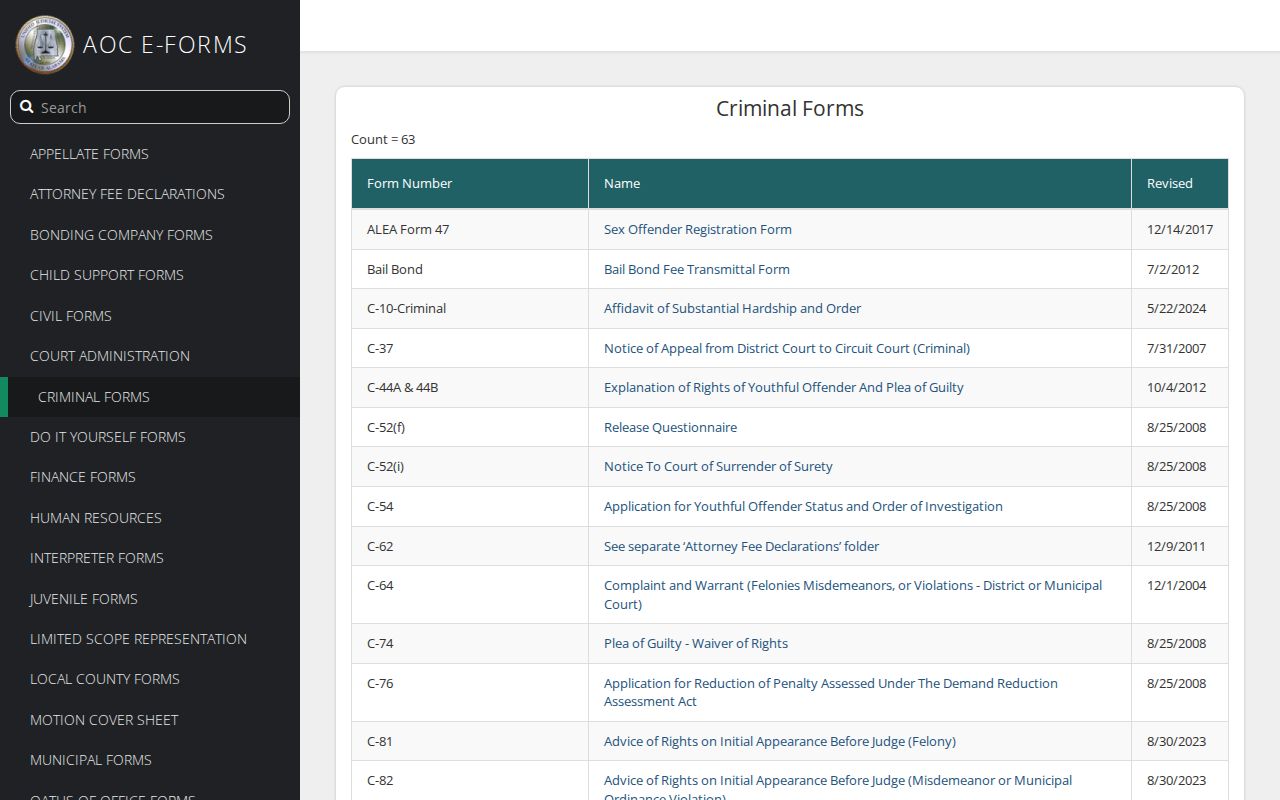
Statewide forms carry names, not cases. That page helps you recognize C-64, C-65a, CR-27, and CR-59 on sight, without holding any private case details. Every actual status question stays with the Crenshaw County court. Later appearances, bond terms, motions, pleas, and trial remain part of the underlying case.
Handling a Crenshaw County Warrant
Ask the issuing court what your case allows. Options vary. Payment on an eligible traffic matter, proof submission, a new setting, a motion to recall, bond, voluntary appearance, open-court surrender, or an attorney-arranged surrender. A statewide form exists, but that does not mean every Crenshaw County court accepts a walk-in procedure. Call the clerk first.
- Confirm the court, warrant label, case number, active status, and bond or appearance requirement.
- Ask whether counsel should arrange a recall request, court appearance, or surrender.
- Confirm the destination and timing with the court and Sheriff before travel.
- Complete the ordered step and keep every receipt and setting notice.
- Obtain the docket entry, recall order, or clerk confirmation showing the change.
Bond buys release and a future date. It does not end the charge. Paying one ticket may not resolve another case or a license action, and Crenshaw County runs no blanket amnesty or safe-surrender event.
Luverne Courthouse Steps for Warrant Records
The Crenshaw County Courthouse and Circuit Clerk sit at 29 South Glenwood Avenue, Suite 206, Luverne, Alabama 36049. The clerk's counter answers warrant questions. Published hours run 8:30 a.m. to 4:30 p.m. Monday through Friday. The building houses District and Circuit administration. Warrant, criminal, traffic, juvenile, and child-support record functions are there.
| Before travel | What to confirm |
|---|---|
| Office | The correct division holds the case |
| Schedule | Holiday closure and staff or judge availability |
| Entry | Current security rules and accepted identification |
| Records | Case number, copy access, fees, and payment method |
Jury instructions mention free parking and a metal detector. Weapons, recording devices, knives, pepper spray, and lighters stay out. Those instructions can change, and they promise nothing about warrant-counter service. Call ahead, since the clerk handles records and procedure questions but gives no legal advice.
Warrant Record Access Under Alabama Law
Alabama's Open Records Act opens the door. Alabama Code Section 36-12-40 and its related provisions let you inspect and copy public writings, subject to exceptions. Sections 36-12-41, 36-12-44, and 36-12-45 cover copies, procedures, clarification, timing, and request forms. Crenshaw County court records go through the clerk. Keep the request narrow. Name the office holding the record, your contact information, a date range, and a case or warrant number if known. Say whether you want inspection or copies. Ask the current fee before paying. If material is withheld, request the legal basis and the review procedure. The Crenshaw County Sheriff publishes no online request form. Juvenile legal and law-enforcement records stay confidential under Alabama law, and sealed, investigative, security-sensitive, or otherwise protected details can be withheld or redacted. Public access does not guarantee a complete online index, so use the office holding the record and protect private identity data.
Crenshaw County Court Workload Is Not a Warrant Count
The Alabama Administrative Office of Courts counts workloads, not warrants. Crenshaw County logged 387 Circuit filings and 444 dispositions in fiscal year 2022, with about 47 percent of Circuit filings criminal. District Court was busier. It saw 3,319 filings and 3,364 dispositions, roughly 70 percent traffic and 16 percent criminal.
Those are caseload numbers, not active-warrant totals. They say nothing about any person. One year's filings cannot estimate current warrant volume. Crenshaw County counted 13,194 residents in the 2020 census, and a later Census estimate put the figure at 13,175. That small base explains a contact-oriented local system rather than a big public dashboard.
City Warrant Records in Crenshaw County
Crenshaw County covers four incorporated places, per the 2020 Census table. Each city page starts with local police or the municipal court. County offices come next. A city warrant check runs through the municipal clerk, while a Crenshaw County warrant search belongs to the sheriff or the county courts.
Luverne
Luverne Police publishes a weekday contact and after-hours number. Ask whether the matter is municipal, District, Circuit, or another agency's case.
Brantley
Brantley has the county's strongest verified municipal-court page, with clerk, hours, address, scheduled dates, and traffic or misdemeanor scope.
Dozier
Dozier's official public contact lead is Town Hall at 7874 South Main Street and (334) 496-3742. Confirm current court handling.
Glenwood
No current official online warrant or court page was verified. Start with the town contact and use the Circuit Clerk as a routing fallback.
Police can serve a city warrant without any Crenshaw County list showing it. Always ask which court issued the process.
Crenshaw County Warrant Clearance Needs Written Proof
Written proof is the goal. A portal confirmation, a payment receipt, a bond, an appearance, and a warrant recall are different records. None proves another. After completing the court's instruction, ask which document shows the warrant status changed, and get it in writing. Alabama's index names CR-59, the Warrant or Summons Recall Order, and CR-27, Surrender of Defendant in Open Court, but Crenshaw County procedure still controls; the Alabama criminal-procedure forms index carries those current form names.
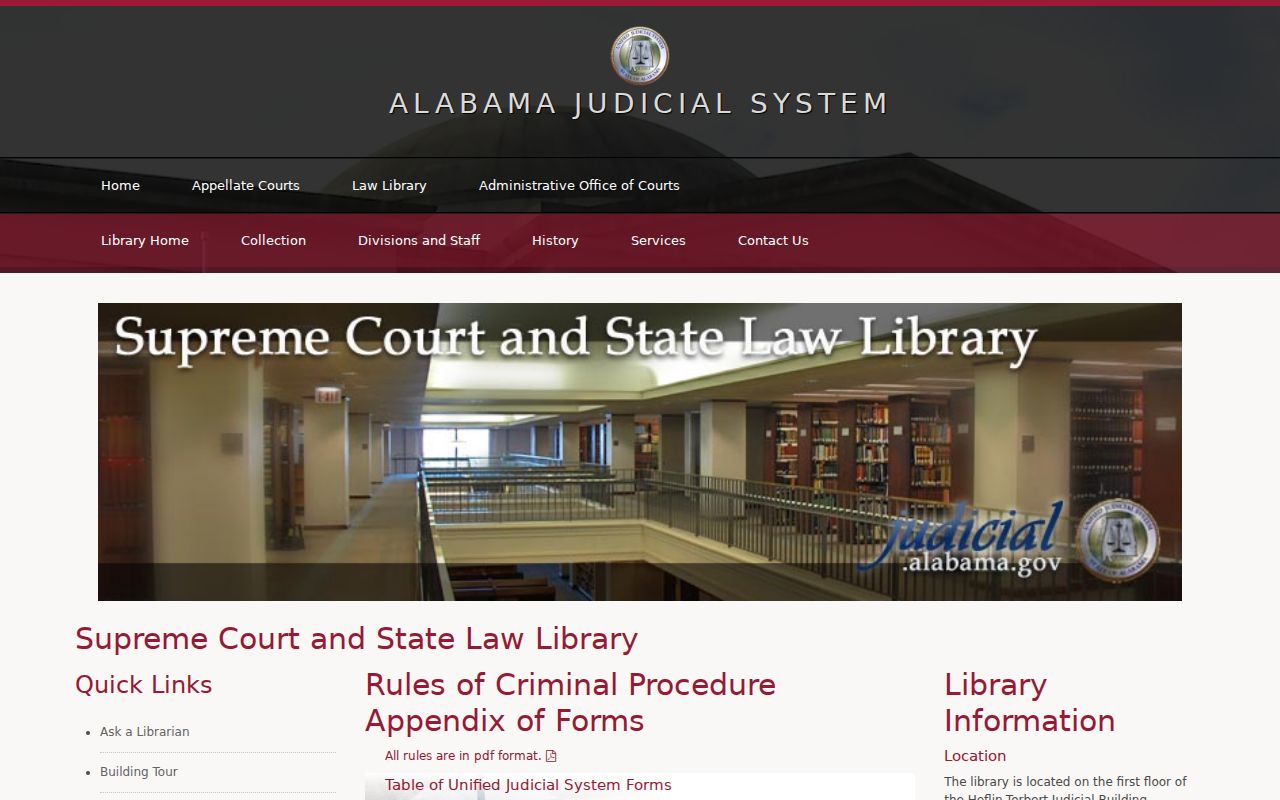
Keep your own Crenshaw County clearance file. Hold the case number, the receipt, any recall order, the new setting, and the date each office confirmed status. A traffic suspension needs its own check. Verify restoration separately through ALEA. Do that after the court clears the case. Recheck every contact before each call, request, payment, appearance, or planned visit. One caution on the Sheriff. The published street address differs among official materials, so call (334) 335-6568 before traveling. The Crenshaw County Sheriff posts no warrant unit page. No warrant email, no surrender window, no bond-window schedule, and no active list appear either, nor does the office run a most-wanted roster or records-request portal. For current contacts, the official county-office directory is the checkpoint.
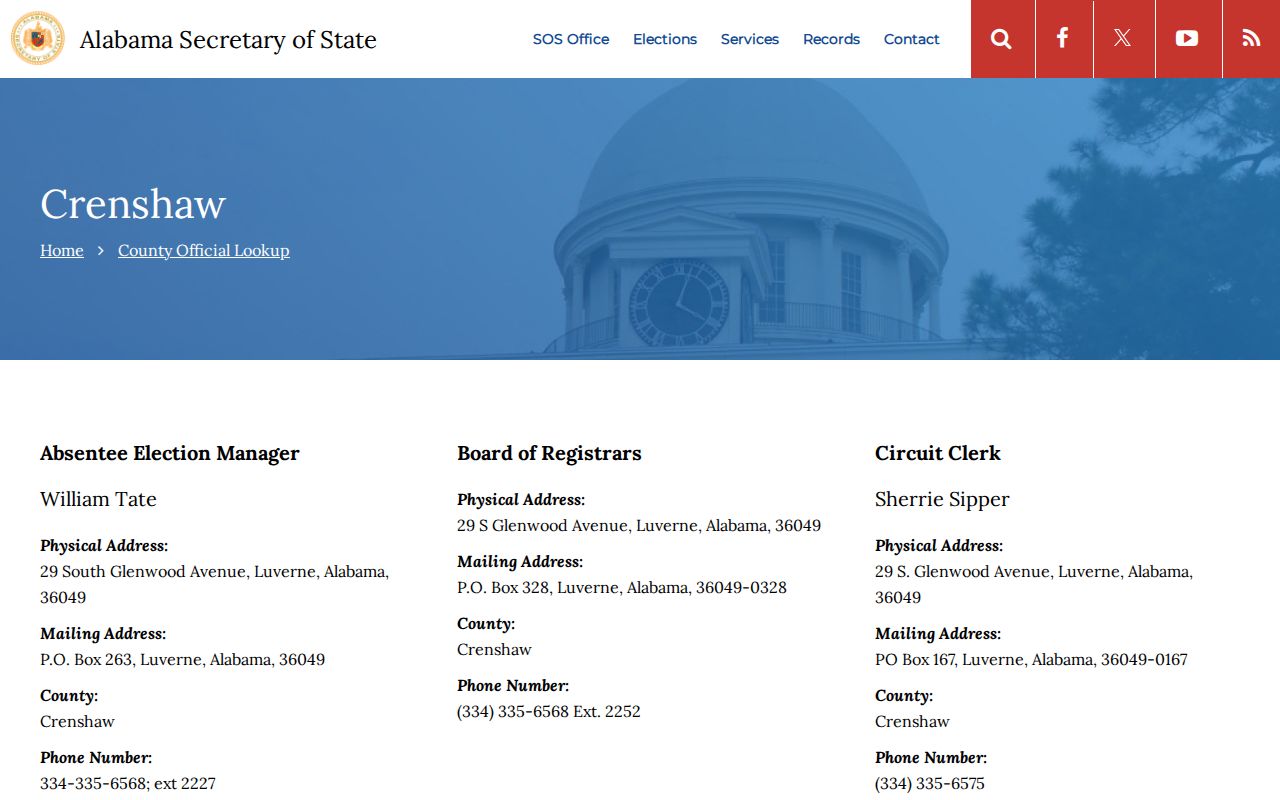
A directory page here lists agency contacts, not a Crenshaw County warrant roster. Check the live pages before you call. Officeholders, phone numbers, hours, and procedures all shift over time, and a stale listing wastes a morning. One 2025 document floating around is a federal Warrant Service Officer agreement, which covers immigration-enforcement cooperation rather than any public county criminal-warrant search. A statewide ALEA report on warrant service counts for the state, not for Crenshaw.